Retro Bluetooth Speaker Buyer's Guide 2026: Avoid These 5 Mistakes & Pick Vintage Style With Real Performance
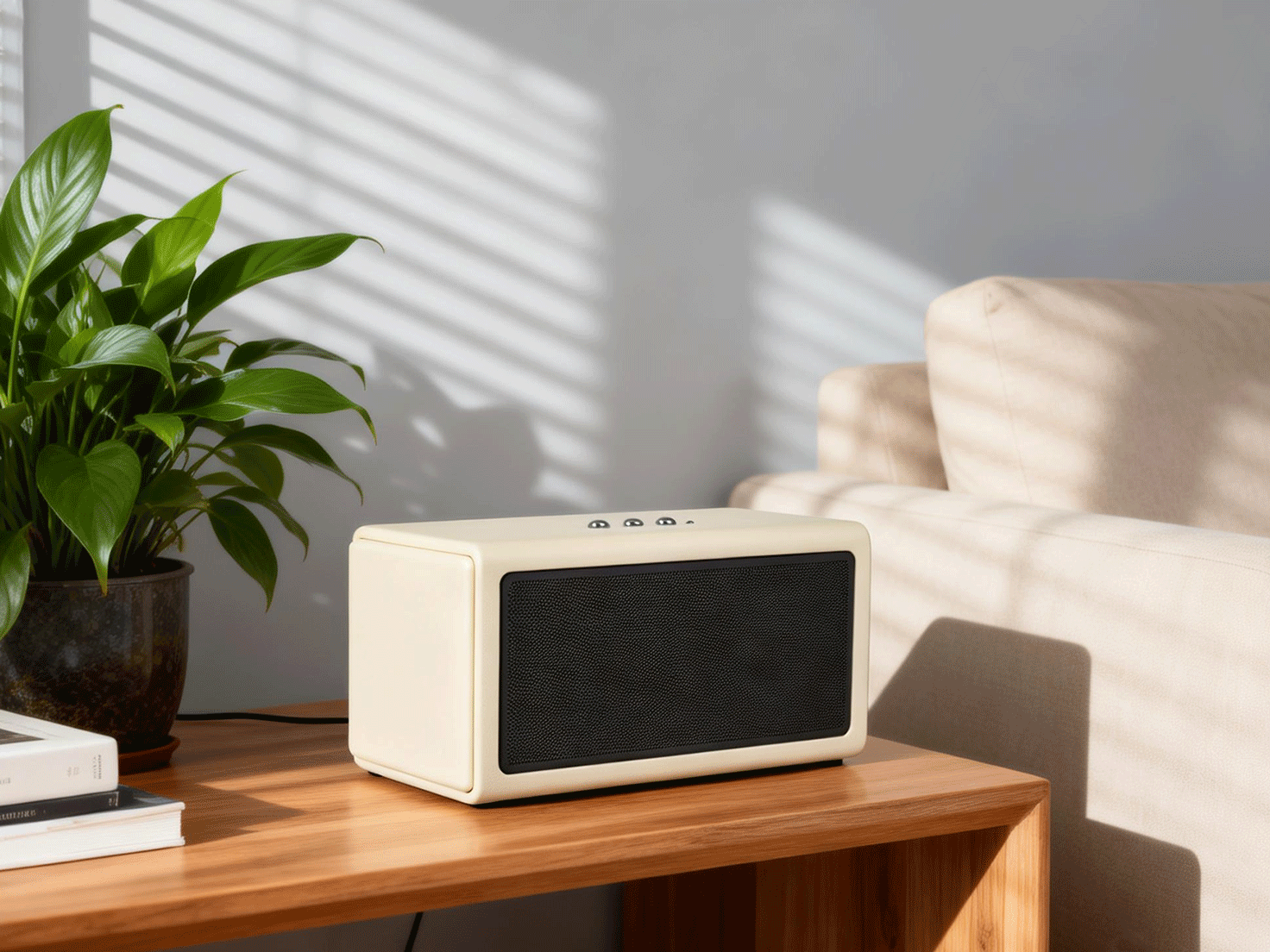
In a world filled with sleek, minimalist tech, retro Bluetooth speaker models have become a beloved escape—blending the nostalgia of mid-century design with the convenience of modern wireless audio. Whether you’re drawn to the classic curves of a retro looking Bluetooth speaker, the warm wood finish of a retro style Bluetooth speaker, or the iconic details of a vintage look Bluetooth speaker, these devices aren’t just audio tools—they’re decor statements that solve real-life listening needs.
This guide cuts through marketing hype to answer the questions users care about most: Why are retro speakers so popular? What features matter most? Which models fit my budget and space? Most importantly, we’ll highlight the 5 critical mistakes that lead to buyer’s remorse—so you can pick a retro speaker that looks great and performs even better.
1.Why Retro Bluetooth Speakers Are Taking Over 2025
Before diving into selection, it's critical to understand why retro Bluetooth speaker models have surged in popularity—and why they're more than just a trend:
a. Nostalgia Meets Function
The demand for "vintage speaker" surges when users want to blend childhood memories (such as radios from the 1950s or portable stereos from the 1980s) with modern lifestyles. A vintage look Bluetooth speaker isn’t just about aesthetics—it’s about comfort: the physical knobs, warm wood cabinets, and analog-style dials feel more “human” than touchscreen tech. For example, Philips’ TAVS500 retro speaker (10W output, 10-hour battery) uses 1950s brass-toned controls that make adjusting volume feel like a ritual, not a chore.
b. They Double as Decor
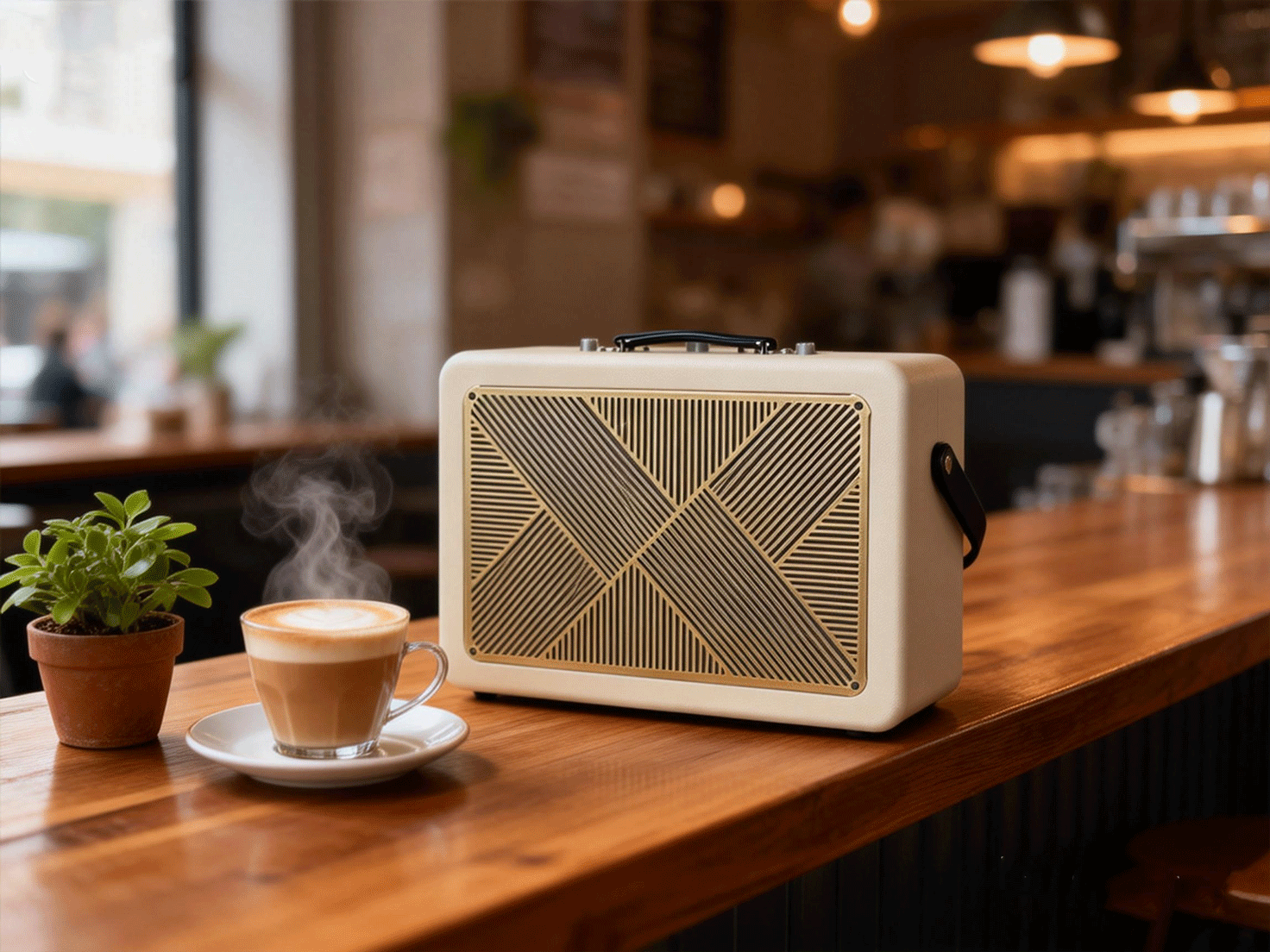
Modern speakers often hide in corners—but retro style Bluetooth speaker models shine as centerpieces. A wooden retro speaker fits seamlessly in bohemian living rooms, mid-century offices, or even industrial lofts. Google Trends shows “retro speaker decor” searches are up 65% in 2025, as users reject “invisible tech” for pieces that add character.
c. No Compromise on Performance
The top Google question about retro speakers? “Do they sound as good as modern ones?” The answer: Yes—when you pick the right model. Today’s retro looking Bluetooth speaker units use 4”+ full-range drivers, bass-reflex ports, and Bluetooth 5.0+ (for 30ft stable connections). Marshall’s Kilburn II, for example, delivers 20W of crisp sound with deep bass—perfect for hip-hop, jazz, or podcasts—while keeping its 70s-inspired leather and metal design.
2. Five Costly Mistakes to Avoid When Buying Retro Bluetooth Speaker
Consumers looking to buy speakers often search for "how to choose a retro Bluetooth speaker" because they worry about wasting money on a flashy but impractical speaker. Avoid these five pitfalls to avoid regretting your purchase:
Mistake 1: Prioritizing Peak Power Over RMS Power
Many cheap vintage speaker models tout “100W peak power” to attract buyers—but peak power is just a temporary burst, useless for long listening sessions. Always check RMS power: 10–20W RMS works for small spaces (bedrooms/desks), while 20–50W RMS is ideal for living rooms or parties. The Victrola Willow (a top-rated retro model) has 12W RMS, filling a 200sqft room without distortion—no flashy peak power claims needed.
Mistake 2: Falling for “Fake Retro” Plastic Materials
A retro style Bluetooth speaker with a plastic “wood grain” finish or sticker accents will look cheap and peel within months. Authentic retro design relies on real materials: solid wood cabinets, leather handles, or metal grilles. For example, AUSMAN’s retro wooden speaker uses a walnut cabinet that improves sound resonance and stands the test of time—worth the extra $20–$30 over plastic alternatives.
Mistake 3: Skipping Bluetooth 5.0+
Older Bluetooth 4.2 or lower in retro Bluetooth speaker models leads to frequent dropouts—especially if you’re streaming from another room. Bluetooth 5.0+ ensures a 30ft stable range, perfect for cooking in the kitchen while music plays in the living room. Toshiba’s retro speaker uses Bluetooth 5.3, with zero lag even when multiple devices are paired.
Mistake 4: Ignoring Aux/USB Inputs
True vintage lovers want to connect turntables, CD players, or old MP3 players—not just phones. A vintage look Bluetooth speaker without a 3.5mm aux-in locks you into wireless streaming only. Philips’ TAVS500 solves this with aux and USB ports—you can even charge your phone from the speaker at parties.
Mistake 5: Buying Battery-Only Models
A retro looking Bluetooth speaker with 4–6 hours of battery life will die mid-patio BBQ or beach trip. Aim for 8+ hours of playtime and an AC power option—so you can plug it in for all-night use. Marshall’s Emberton III offers 20 hours of battery, plus a USB-C fast charge (15 mins = 3 hours of play) to avoid dead-speaker disasters.
3. Must-Check Features for a Great Retro Bluetooth Speaker
Now that you know what to skip, focus on these non-negotiables to pick a speaker that fits your lifestyle:
a. Sound Quality: Drivers & Bass for All Genres
Look for a dedicated 3”+ woofer and bass-reflex port—single full-range drivers sound tinny, especially for bass-heavy music.
AUSMAN‘s retro speaker uses a 4” woofer and passive radiator, delivering warm bass that works for jazz, rock, and pop alike.
b. Design: Period-Accurate Details
Opt for muted tones (walnut, beige, forest green) and classic touches: 50s brass knobs, 70s leather straps, or 80s boombox silhouettes.
Avoid neon colors or “retro” stickers—they’ll feel dated fast, while timeless design stays stylish for years.
c. Durability: Weather Resistance
If you use your speaker outside, pick an IPX4+ rating (splash-proof) for rain or pool splashes. The Greadio walnut speaker has IPX5, handling accidental spills or light rain with ease.
4. Final Checklist: Before You Click “Buy”
Use this quick checklist to confirm you’re avoiding all mistakes and picking the right retro Bluetooth speaker:
✅ RMS power matches your space (10–20W small rooms, 20W+ large rooms)
✅ Materials are authentic (wood/leather, not plastic)
✅ Bluetooth 5.0+ and aux-in for versatile music sources
✅ Battery life ≥8 hours or AC power option
✅ IPX4+ rating (if outdoor use)
✅ Fits your budget ($50–$300)
Final Thoughts: Your Retro Speaker Should Fit Your Lifestyle
A retro Bluetooth speaker isn’t just a purchase—it’s an extension of your style. If you’re a collector, a vintage-inspired model with real materials might be worth the investment. If you’re a renter, a portable, battery-powered option is better for moving between spaces. And if you’re a decor lover, a wooden retro style Bluetooth speaker will elevate your home while delivering great sound.
By avoiding the 5 common mistakes and focusing on performance and design, you’ll find a speaker that’s not just a trend—but a piece you’ll use for years. Ready to custom? Check out our top picks or use the checklist to compare models on your own.
Happy listening—and let the nostalgia play!